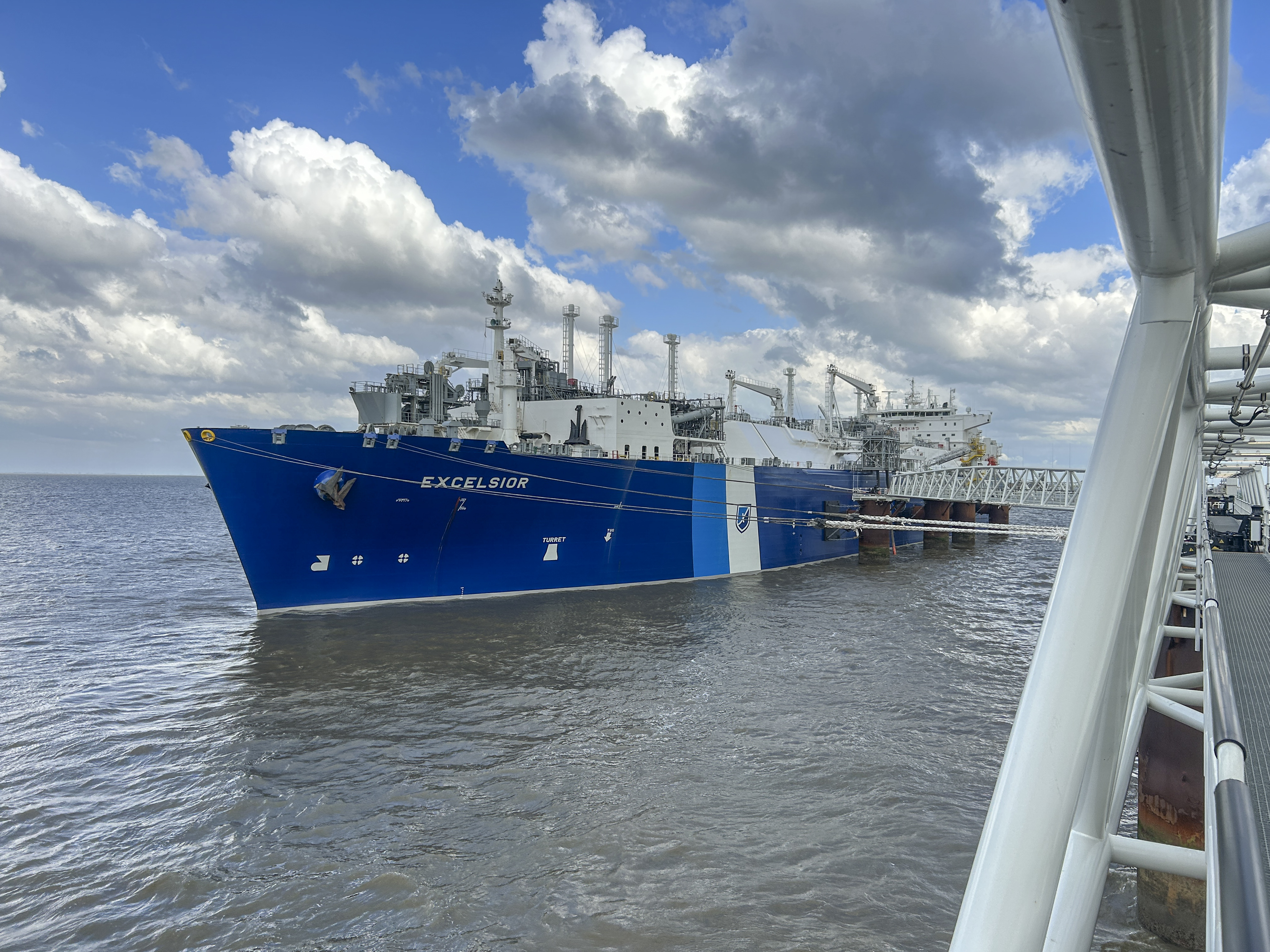
The sabotage of the Nord Stream pipelines in 2022 served as a wake-up call for Europe. It demonstrated that critical fixed energy infrastructure is vulnerable, and that energy flexibility is no longer optional. Faced with the sudden loss of pipeline gas, Germany needed to secure massive import capacities immediately.
To solve the challenge of importing gas at the Wilhelmshaven II terminal, German authorities and the state-owned operator Deutsche Energy Terminal GmbH (DET) selected ECOnnect Energy for the marine scope of works. ECOnnect’s IQuay F-Class was the chosen system because of its ability to enable LNG import in record time, without the need for complicated and intrusive civil works at sea.
Here is a short summary of why the German state trusted ECOnnect’s technology to secure their energy supply.
1. Speed as a Strategic Asset
In the wake of the energy crisis, speed was a primary driver. Traditional marine infrastructure, such as fixed jetties and concrete quays, typically faces lengthy permitting processes, huge costs and long construction timelines. Germany did not have time to wait.
The ECOnnect Energy IQuay system was chosen to bypass these bottlenecks.
- Rapid Deployment: The transfer system was fast-tracked, taking less than twelve months from contract award to commenced installation.
- Seamless installation: ECOnnect was contracted to install its technology, which ensured rapid installation of critical infrastructure.
- Off-Site Construction: Critical components of the system such as ship interface unit, pipes, subsea structures etc. were prefabricated in Europe, close to the site. This ensured easy transportation, quick connection and fast installation at site
- Immediate Results: This approach enabled the swift commencement of LNG imports and avoided the delays associated with constructing permanent infrastructure.
By utilizing the fast-tracked IQuay solution, the Wilhelmshaven II project was able to accelerate the connection between the FSRU Excelsior and the onshore grid in a shorter timeframe than traditional methods would allow.

2. Streamlined Permitting
One of the most unpredictable delays in energy infrastructure is the regulatory approval process. Fixed marine structures often require extensive environmental impact assessments and complex civil works permits that can stall projects for years.
The IQuay system significantly reduces this regulatory burden by changing the nature of the infrastructure.
- Minimal Assessment: Because the system replaces invasive permanent structures with modular technology, it requires minimal environmental assessment and permitting compared to traditional jetties.
- No Civil Works: The solution avoids the need for heavy civil works such as extensive piling and the negative impacts associated with fixed-marine infrastructure, eliminating a major category of regulatory approval.
- Bypassing Bottlenecks: This approach allowed the Wilhelmshaven II project to avoid permitting bottlenecks related to fixed structures for most of the deliveries, enabling a timeline from contract to installation that would be impossible for a fixed jetty.
By reducing the physical impact on the coastline, the IQuay system simultaneously lowered the administrative hurdles required to approve it.
3. Uncompromising on Lower Environmental Impact
Developing energy infrastructure often involves a trade-off between industrial necessity and environmental impact. For Wilhelmshaven, a solution was required that respected the marine ecosystem while delivering 8,5 % of Germany’s gas demand.
The IQuay system offers a small environmental footprint compared to fixed marine infrastructure.
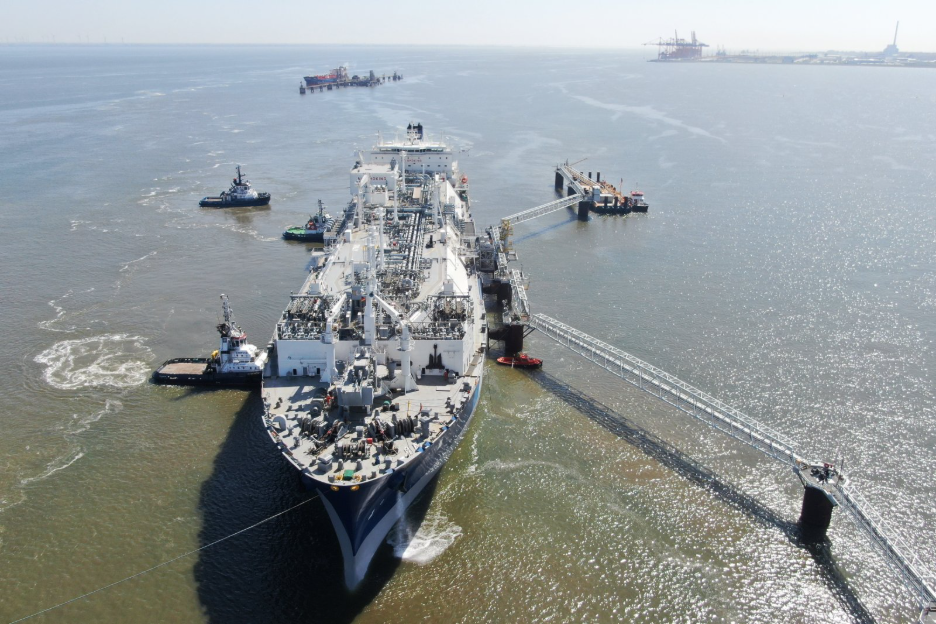
- Minimal Footprint: The system replaces invasive structures like breakwaters, jetties, or quays with a subsea pipeline, a Pipeline End Manifold (PLEM) and a gas balcony.
- Lower Emissions: The jettyless solution reduces embodied CO₂ emissions from construction and resource use compared to traditional heavy infrastructure, due to less concrete and steel structures.
- Reversible: The IQuay system is relocatable by its design, ensuring the site can be restored with minimal impact after the project concludes.
4. Future-Proof Flexibility (LNG to Renewables)
A major concern for regulators and investors is the risk of building assets that become obsolete during the energy transition). The German authorities trusted ECOnnect Energy because the IQuay system addresses today's crisis while preparing for tomorrow's green energy.
- Multi-Molecule Ready: While initially importing LNG, the terminal is designed to be a central hub for hydrogen energy starting in the future. Critical components of the IQuay were designed to also allow CO2 transfer.
- Adaptable Infrastructure: The terminal infrastructure is constructed with flexibility in mind and is certified for future imports of ammonia, hydrogen carrier liquids, and CO₂.
The Wilhelmshaven II Success Story
The Wilhelmshaven II terminal, utilizing ECOnnect Energy’s technology, is now a cornerstone of Northern Europe's energy resilience.
- Capacity: The annual grid injection capacity is expected to be up to 4.6 billion cubic meters.
- National Impact: This single terminal design is set to meet approximately 8.5% of Germany’s energy demand.
- Utilization: Recent reports confirm the terminal has been operating at 75% capacity in Q3 2025, well above the European average for new LNG infrastructure.
Why This Matters for Your Project
The selection of ECOnnect Energy for a project of this national magnitude validates our core promise: we deliver energy access faster, cleaner, and smarter.
Germany trusted ECOnnect Energy to secure their national energy supply. Get in touch to discuss how the IQuay system can reduce your marine energy project’s lead time.

.jpg)