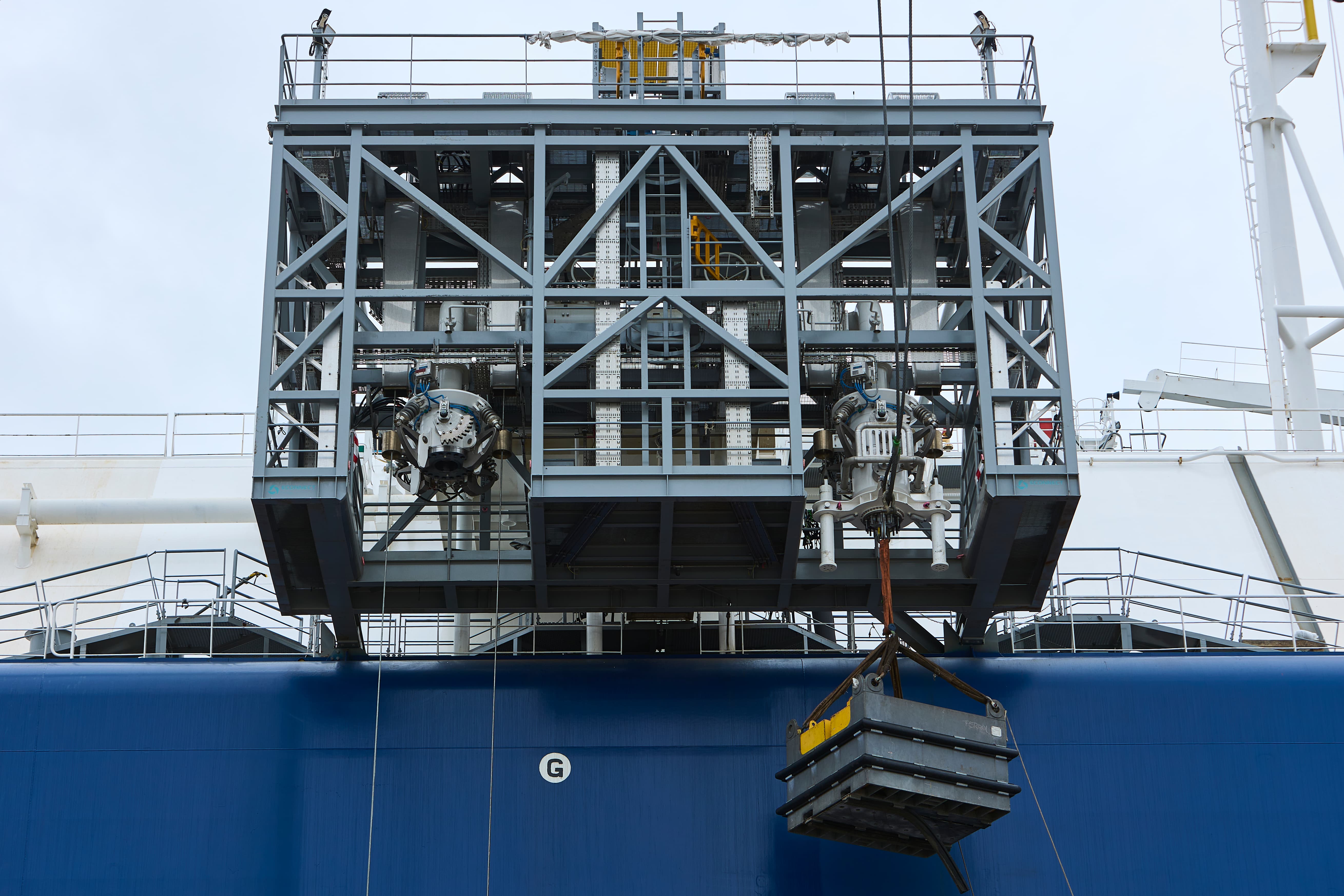
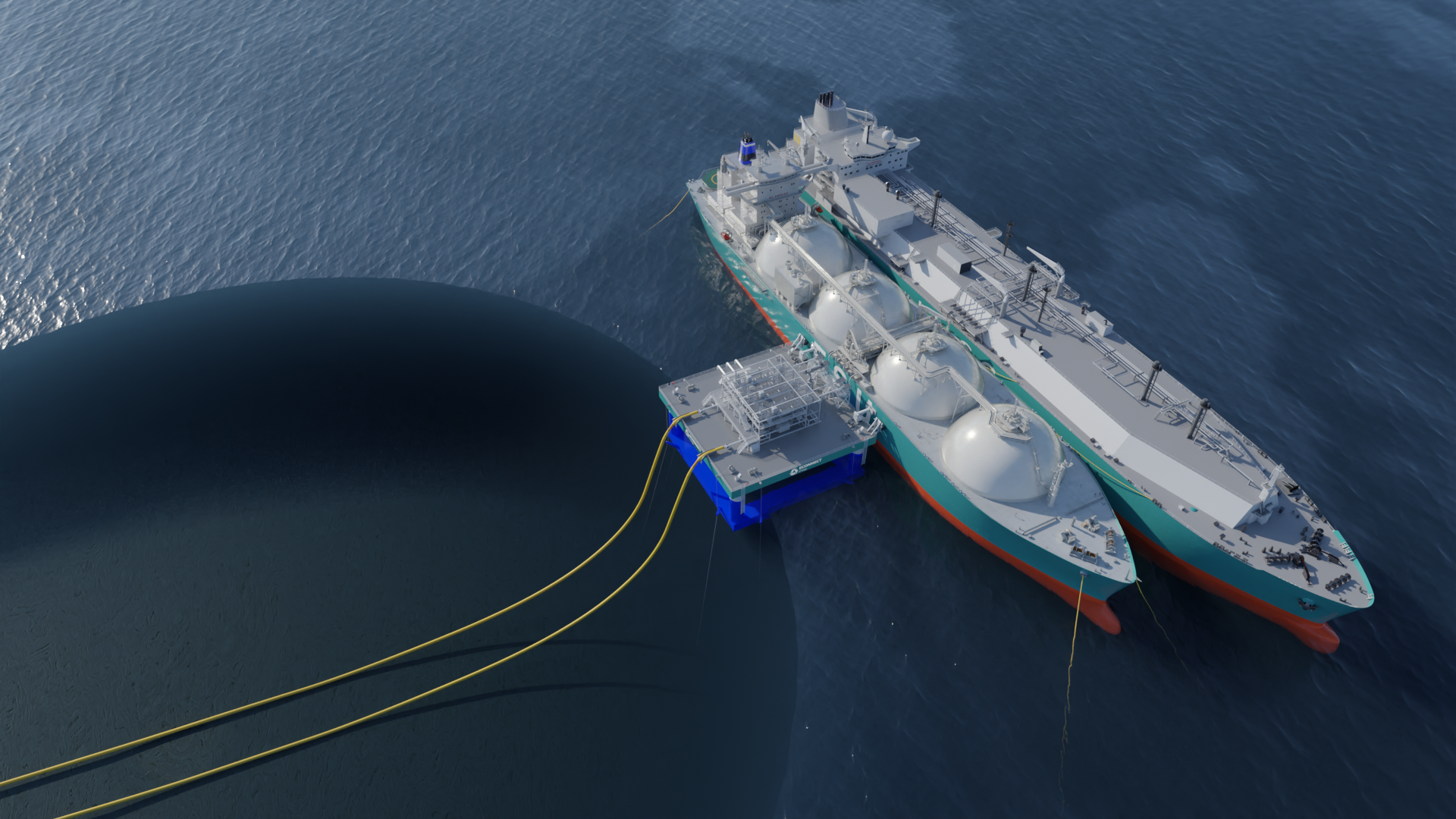
The shift toward green ammonia, e‑methanol and CO₂ handling has created export requirements that don’t resemble traditional LNG terminals. Many emerging projects lack space for fixed jetties, sit in sensitive coastal environments, or face metocean conditions that push conventional infrastructure to its limits.
We offer high quality studies that focus on solving those project‑specific constraints early, testing how the IQuay systems can be adapted to different molecules, site conditions and regulatory boundaries.
Our previous work ranges from fjord‑based ammonia export concepts in Norway to multi‑molecule e‑fuel transfer in West Africa and open‑coast ammonia export in Australia.
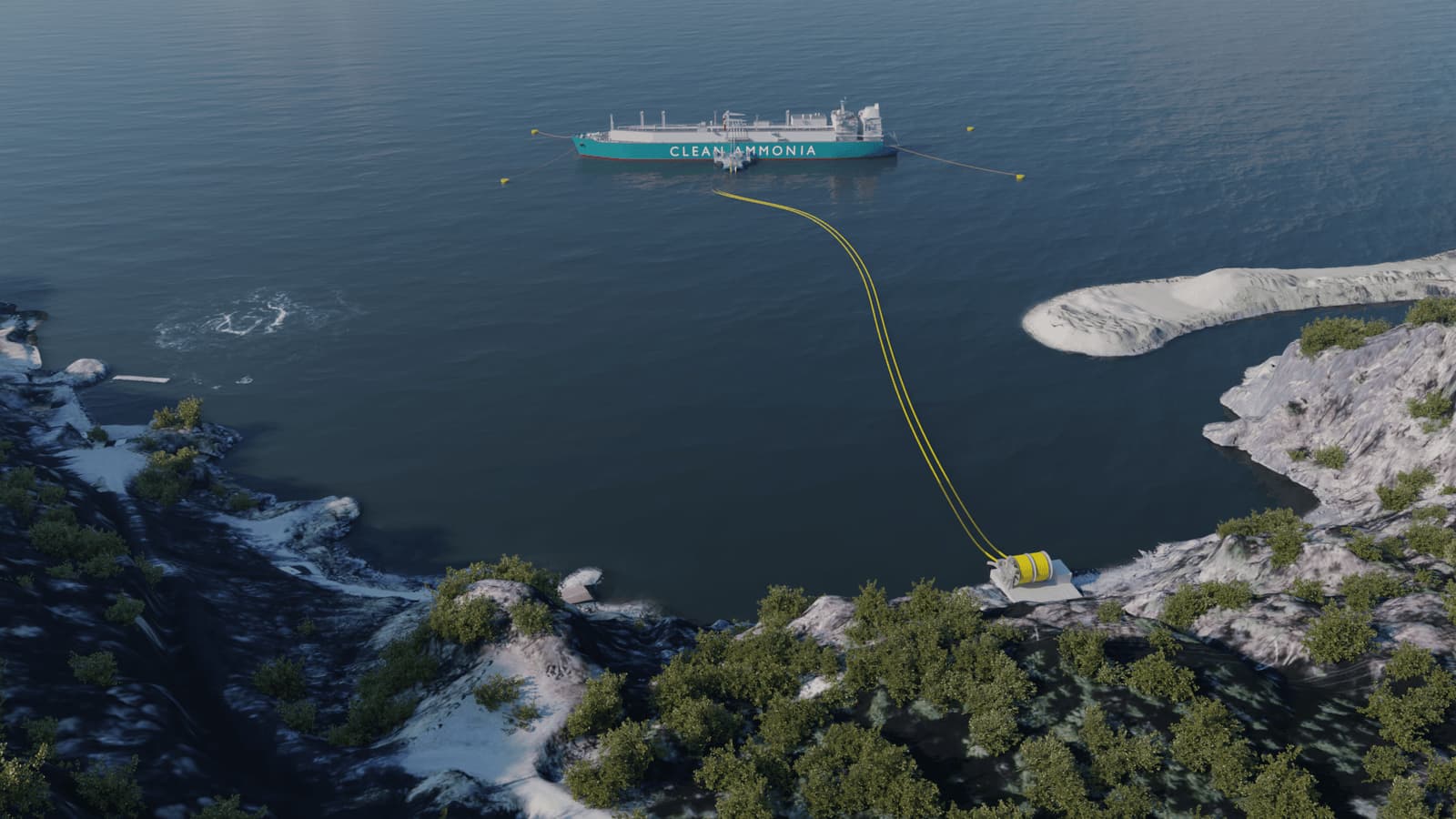
The Iverson Ammonia Project investigated the opportunity to produce clean ammonia as an alternative energy source, including exploring solutions for offshore transfer.
Located in Saudafjorden in southwestern Norway, the site was considered well suited for an IQuay C-Class solution, offering sheltered metocean conditions, deepwater access close to shore, and limited onshore space. This favoured a floating, jettyless transfer configuration.
In 2023, ECOnnect was awarded and carried out a pre-FEED study to assess these transfer solutions as part of the project development.
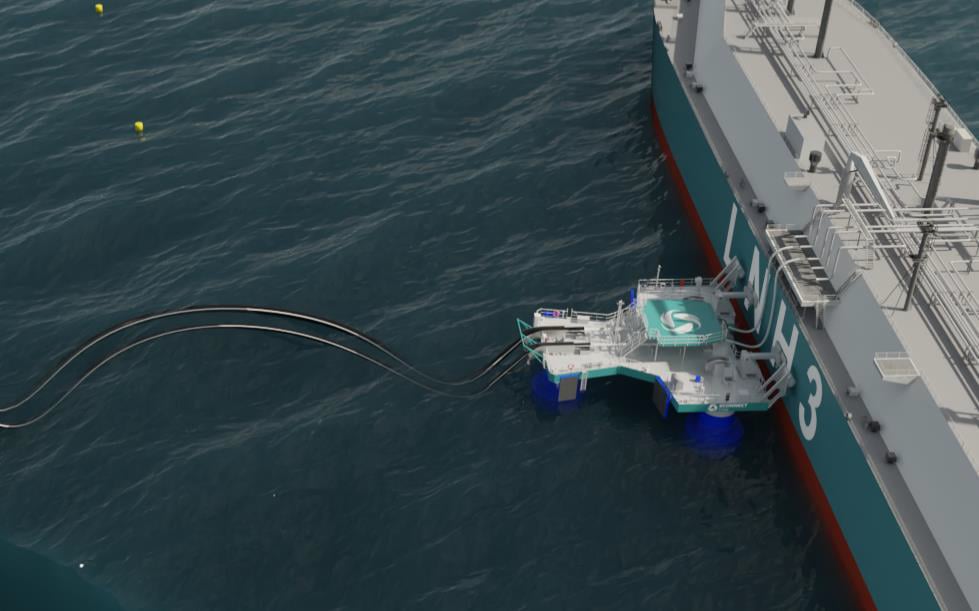
Alternative Petroleum and Power Limited (APPL) faced a challenge in exporting renewable methanol and ammonia sustainably without traditional jetty facilities, balancing operational needs with environmental concerns.
ECOnnect’s work explored how a jettyless terminal configuration could support multiple e‑fuel streams, accommodate future scale‑up, and remain adaptable to evolving export requirements without locking the project into fixed marine infrastructure.

This study examined whether an IQuay C‑Class could support ammonia export at a site exposed to open‑coast swell rather than sheltered port waters.
The engineering work focused on identifying viable mooring locations relative to prevailing wave directions, testing multi‑buoy mooring uptime in higher Hs and longer‑period swell, and verifying safe hose geometry under dynamic loading.
The team also assessed transfer line configuration and safe‑haven requirements for the platform when conditions exceed operating limits. The aim was to determine whether a floating export solution could meet operability and safety expectations without extensive coastal infrastructure.
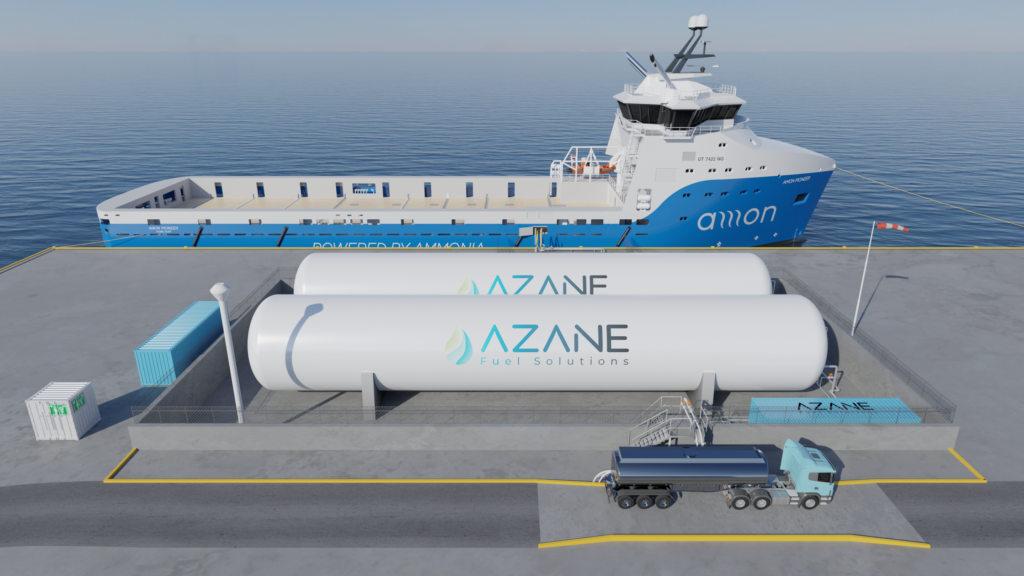
ECOnnect’s IQuay enables offshore export of ammonia, while Azane (our daughter company) develops and operates bunkering and small‑scale storage. Together this provides one coordinated path from terminal transfer to vessel refuelling under a shared safety and permitting approach, reducing shore works and complexity.
Azane brings proven ammonia handling and regulatory progress, including DNV approvals and the first safety permit from Norway’s DSB for an ammonia bunkering facility, alongside a confirmed pre‑order of 15 bunkering units to seed an early network.








.jpg)