

The project marks an important step in strengthening Colombia's energy infrastructure at a time when the country faces declining domestic gas production and increasing demand for reliable energy sources. Once fully operational, the terminal is expected to provide up to approximately 500 million standard cubic feet per day (MMSCFD), helping improve supply resilience and energy security, particularly during periods of low hydropower generation.
Delivering LNG Infrastructure at Speed
For Puerto Bahía, timing is critical. First gas is targeted for early 2027, making fast deployment a key requirement from the outset.
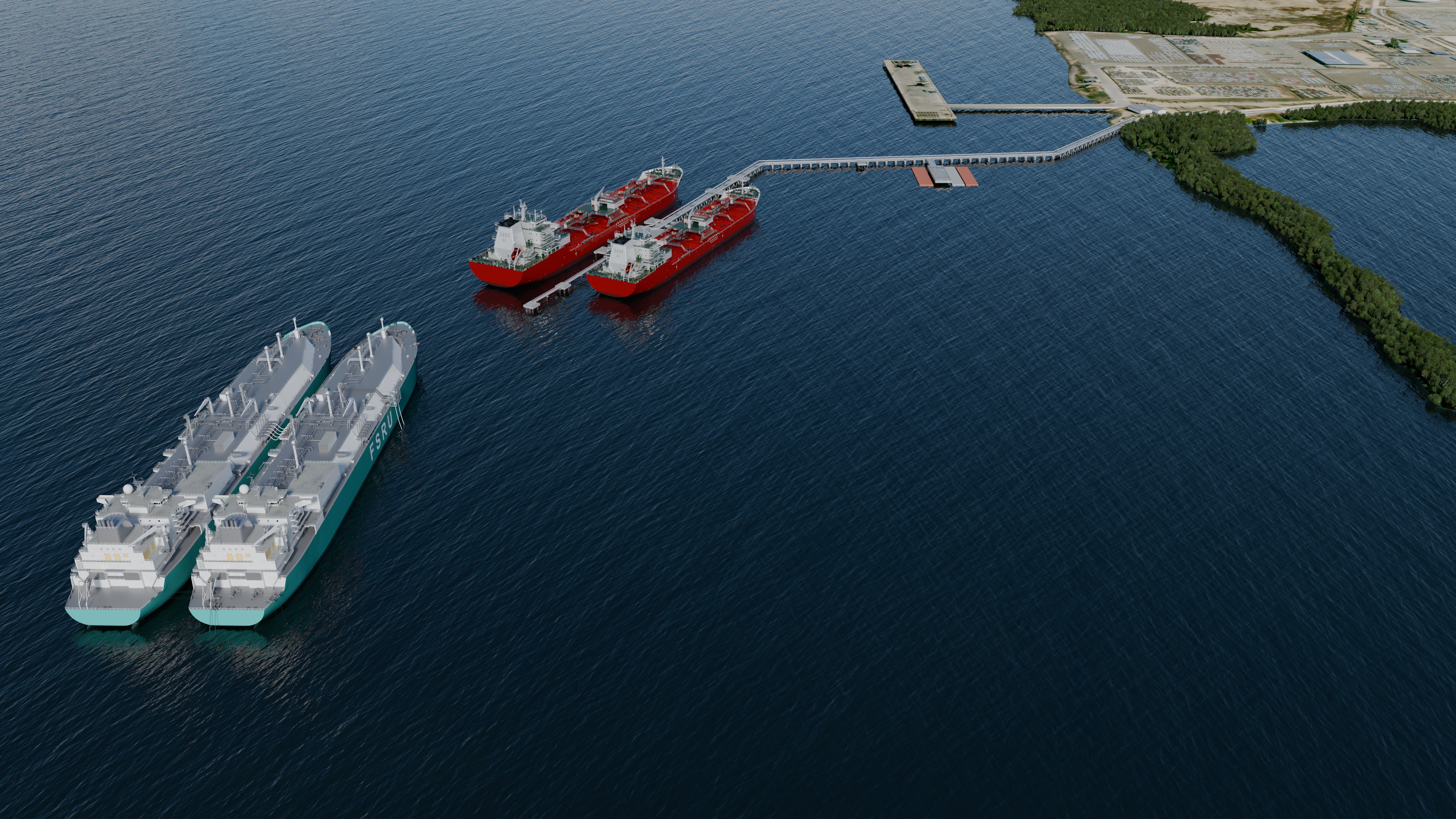
ECOnnect's IQuay™ F-Class solution was selected based on the company track record in fast-track LNG developments. By enabling LNG imports without the need for additional jetty construction, the solution significantly reduces offshore construction scope and limits marine intervention, helping accelerate project timelines while reducing infrastructure complexity.
The F-Class system will connect a floating storage and regasification unit (FSRU) to Puerto Bahía's existing receiving facilities, creating a new LNG import gateway in Cartagena Bay and supporting faster access to critical energy supplies.
Strengthening Colombia's Energy Security
Colombia's energy mix relies heavily on hydropower, making the country vulnerable to seasonal fluctuations and weather events such as El Niño. At the same time, domestic gas production is declining, increasing the need for flexible and reliable alternative sources of supply.
Puerto Bahía is being developed as Colombia's second LNG import terminal on the Caribbean coast and is expected to play an important role in the country's evolving energy landscape. The project will complement existing infrastructure while increasing supply resilience and import flexibility to meet growing demand.
Its strategic location in Cartagena Bay offers several advantages, including natural deepwater access capable of accommodating large LNG carriers without dredging, proximity to industrial demand centers, and connection potential to Colombia's national gas transportation network.

Innovative Infrastructure with a Smaller Footprint
A defining feature of the project is the use of ECOnnect's jettyless LNG transfer technology.
Traditional LNG import terminals often require extensive marine construction, including large jetty structures. The IQuay™ F-Class system is designed to minimize this need by connecting LNG infrastructure directly to existing facilities, reducing construction time, lowering marine intervention, and limiting the overall environmental footprint.
The result is a more flexible approach to LNG infrastructure: one that can be deployed faster while adapting to the changing needs of energy markets.
Expanding ECOnnect Energy's Global Footprint
The Puerto Bahía project represents another milestone in ECOnnect's growing international deployment of jettyless LNG infrastructure and further strengthens the company's presence in Latin America.
Previous projects include floating LNG transfer solutions at Herøya in Norway, Altamira in Mexico, and Wilhelmshaven in Germany.
As energy markets continue to evolve, ECOnnect Energy's technology platform is also designed for future compatibility with alternative energy carriers, including ammonia, hydrogen, Bio-LNG, and CO₂, supporting the transition toward a more flexible and sustainable energy future.
"We see that many countries increasingly need energy infrastructure that can be deployed faster, with lower environmental impact and provide greater operational flexibility," says Morten Christophersen, CEO of ECOnnect Energy.
.jpg)
"Puerto Bahía is a strong example of how innovative marine infrastructure can help respond to growing energy demand while reducing the need for extensive marine construction associated with conventional jetties."

.jpg)

.jpg)


